- WhatsApp: +86 13606526028
- Email: contact@utien.com



In today’s fast-paced world, convenience is king. Ready-to-eat meals—precooked or partially prepared foods that require little to no cooking—are no longer just a trend. They’ve become a staple in homes, offices, and even airlines. From microwaveable rice bowls to chilled gourmet dinners, these meals offer speed, variety, and flavor. But behind every great ready-to-eat meal is a critical, often overlooked hero: the packaging.
Packaging cooked food for sale isn’t just about putting food in a container and slapping on a label. It’s a science. It’s about protecting flavor, ensuring safety, extending shelf life, and creating a lasting impression. For food producers, the right packaging strategy can mean the difference between success and spoilage—literally.
In this guide, we’ll walk you through everything you need to know about ready-to-eat meal packaging, from materials and technologies to automation and sustainability. Whether you're launching a new food brand or scaling an existing one, this guide will help you make smart, practical decisions—backed by the latest innovations in automated food packaging.
Ready-to-eat meals, also known as prepared meals or RTE meals, are exactly what they sound like: food products that are fully or partially cooked and ready for immediate consumption or minimal reheating. Originally developed for military rations, these meals have evolved into a global phenomenon, driven by urbanization, busy lifestyles, and growing demand for healthy, convenient options.
Today, RTE meals are everywhere—from grocery store chillers to meal kit subscriptions and delivery apps. And as this market grows, so does the need for reliable, high-performance packaging. After all, no matter how delicious your meal is, poor packaging can ruin the experience. Leaks, off-flavors, short shelf life, or unappealing presentation can turn customers away.
That’s why smart food producers are turning to advanced packaging solutions like thermoforming packaging machines and tray sealers to ensure their products stay fresh, safe, and attractive from factory to fork.
Before diving into solutions, it’s important to understand the challenges. Packaging ready-to-eat meals isn’t simple. These foods are often complex—containing sauces, meats, vegetables, and grains—all of which react differently to temperature, moisture, and air.
Common issues include:
Food safety risks, such as bacterial growth from improper sealing.
Short shelf life due to oxidation or moisture loss.
Leakage during transport, especially with saucy or liquid-based meals.
Poor consumer experience, like difficulty opening or inability to microwave.
Inefficient production, especially when relying on manual or semi-automated processes.
These problems don’t just affect quality—they impact cost, scalability, and brand reputation. The good news? Most of these challenges can be solved with the right packaging approach.
Every ready-to-eat meal is unique, and so should be its packaging. The first step is to clearly define your product’s needs.
Ask yourself:
Is your meal chilled, frozen, or shelf-stable?
Does it contain high-fat sauces, liquids, or mixed textures?
Will consumers microwave, boil, or oven-heat it?
What’s your daily production volume?
For example, a frozen beef curry needs a different packaging solution than a chilled quinoa salad. The curry might require a vacuum packaging solution to prevent leakage, while the salad could benefit from Modified Atmosphere Packaging (MAP) to keep greens crisp.
Understanding these details helps you choose the right materials, sealing methods, and equipment—like Utien’s automated tray sealers—to match your production goals.
Now, let’s look at the most common packaging formats used for ready-to-eat meals.
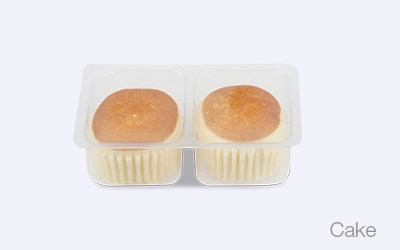
This is one of the most popular options, especially for retail RTE meals. A plastic tray holds the food, and a sealed film (often multi-layer) covers the top. It’s practical, visually appealing, and works well with tray sealing machines.
Materials like CPET (crystallized PET) are microwave-safe, making them ideal for home use. Meanwhile, PP (polypropylene) trays offer excellent clarity and durability.
These flexible, multi-layer pouches are heat-sterilized after filling, allowing meals to be stored at room temperature for months. Common in military and emergency rations, retort pouches are lightweight and space-efficient.
They require specialized vacuum sealing and retort processing, but they’re perfect for brands targeting long shelf life without refrigeration.
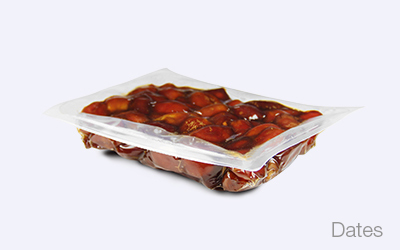
VSP creates a tight, transparent seal that embraces the food like a second skin. It’s excellent for premium meals, including beef steak and salmon fillet, because it not only prevents air exposure but also improve the visual appearance.
Thermoforming packaging machines with skin packaging system are one of the commonly chosen solution for food processors to ensure packaging results while enhancing efficiency.
For smaller items like single-portion lasagnas or sandwiches, flow wrap and VFFS systems offer high-speed, automated packaging. They’re cost-effective and ideal for mass production.
While less protective than rigid trays, they can be combined with trays for better stability.
Choosing the right format is only half the battle. The sealing technology you use plays a huge role in shelf life and safety.
By removing air from the package, vacuum sealing slows down spoilage and prevents oxidation. It’s widely used for meats, cheeses, and sauces.
For ready-to-eat meals, vacuum packaging helps maintain texture and flavor—especially in frozen products. Utien’s vacuum machines are designed for high-speed, consistent sealing, making them ideal for growing food brands.

MAP goes a step further. Instead of just removing air, it replaces it with a custom gas mix—usually nitrogen, carbon dioxide, and a small amount of oxygen.
This technique is perfect for chilled RTE meals like salads, cooked grains, or seafood dishes. It slows down bacterial growth, keeps colors vibrant, and can extend shelf life by up to 50%. Utien’s MAP-enabled tray sealers allow precise gas control, ensuring every pack performs the same.
Ready to build your packaging process? Follow these steps:
Start by analyzing your meal’s composition, storage needs, and target market. Is it for retail, delivery, or food service? This will guide your material and technology choices.
Select food-grade, compliant materials that match your product. For example:
Use CPET trays for microwaveable meals.
Choose multi-layer lidding films with high oxygen barrier for longer freshness.
Consider recyclable PP or PET for sustainability.
Match your needs with the right method:
Vacuum sealing for frozen or high-fat meals.
MAP for chilled, oxygen-sensitive foods.
VSP for premium presentation and maximum shelf life.
Manual packaging works for small batches, but as the production grows in scale, automation becomes essential. Automated systems reduce labor costs, improve consistency, and increase output.
Utien’s integrated thermoforming and tray sealing lines handle every steps from film feeding to final sealing—processing hundreds or even thousands of meals per hour.
Before launching, run tests:
Check for leaks and seal strength.
Simulate shelf life under real conditions.
Gather customer feedback on ease of use and appearance.
Use this data to refine your packaging and processes.
Packaging isn’t just functional—it’s also regulative and socially responbile.
In the U.S., the FDA and USDA require clear labeling on all packaged foods. Your ready-to-eat meal packaging must include:
Full ingredient list
Nutritional information
Allergen warnings
Expiration or “best by” date
Storage instructions
Clear, readable labels build trust and keep you compliant.
Consumers care about the environment. More than ever, they prefer brands that use recyclable or compostable materials.
You can:
Switch to recyclable PP or PET trays.
Reduce plastic use with lightweight films.
Explore bio-based or compostable options where feasible.
Utien’s equipment is compatible with many eco-friendly materials, helping you meet both performance and sustainability goals.
At Utien Pack, we don’t just sell machines—we provide solutions. Our thermoforming packaging machines, tray sealers, and vacuum systems are built for food producers who demand reliability, precision, and scalability.
Here’s what sets us apart:
Customization: We design molds and systems to fit your specific meal formats.
Automation: From semi-auto to fully integrated lines, we help you scale efficiently.
Quality & Safety: All equipment meets international food safety standards.
Global Support: We offer installation, training, and after-sales service worldwide.
One of our clients, a health meal startup in Southeast Asia, increased production from 500 to 10,000 meals per day using our automated MAP tray sealing line—without sacrificing quality.
In the world of ready-to-eat meals, packaging is more than a container. It’s a promise of freshness, safety, and quality. It’s a marketing tool. And when done right, it’s a competitive advantage.
By choosing the right materials, sealing technologies, and automated food packaging systems, you can protect your product, extend its shelf life, and delight your customers—every single time.
Don’t let packaging be an afterthought. Make it a core part of your success strategy.
By continuing to use the site you agree to our privacy policy Terms and Conditions.
